Category Archives: vegan

Cabbage rolls stuffed with lentils, served with herb-fried potatoes (vegan)


Ingredients for approx. 4 people:

For the fried potatoes:
500 g potatoes
Whole sea salt
Rapeseed oil
Herb salt
Freshly ground black pepper
Smoked paprika powder
Chopped rosemary needles
Thyme
Marjoram
For the white cabbage rolls:
1 white cabbage
Whole sea salt
For the lentil filling:
200 g beluga lentils
1 clove of garlic
2 shallots
Rapeseed oil
Herb salt
Freshly ground black pepper
Cumin
Marjoram
Curry powder
Paprika powder
A little tamari or shoyu
Sesame oil
A little turmeric gomasio
For the sauce:
3-4 tablespoons tamari or shoyu
2 teaspoons cornflour for the soy sauce
In addition:
A little vegetable margarine for greasing the baking dish
Sesame oil for brushing the cabbage rolls


Preparation:

1. For the herb-fried potatoes, scrub the potatoes with a vegetable brush, wash them, peel them if necessary, and boil them in a little whole sea salt water until soft. Then drain, dry and slice them.
2. In the meantime, clean and wash the white cabbage and remove or cut off about 8-10 leaves. Cut the remaining cabbage in half, remove the stalk and finely chop or slice the remaining cabbage.
3. Blanch the 8-10 cabbage leaves in boiling water for a few minutes, drain and rinse with cold water. Cut the stalks off the cabbage leaves and leave to drain on a cloth.
4. Grease a flat baking dish with a little vegetable margarine.
5. For the lentil filling, rinse the Beluga lentils with cold water and cook until soft for 20-30 minutes. Then drain.
6. Peel the garlic, remove the germ and chop finely.
7. Peel and finely dice the shallots.
8. Sauté the shallots and finely chopped garlic in rapeseed oil in a pan. Then add the chopped white cabbage and cooked lentils and fry gently for a few minutes. Season with herb salt, freshly ground black pepper, cumin, marjoram, curry powder, paprika and a little tamari.
9. Place this lentil filling in the prepared white cabbage leaves. To do this, place 1-2 tablespoons of filling in the centre of each white cabbage leaf, fold in the sides and roll up carefully. Place them seam-side down in the greased baking dish. Brush each cabbage roll with a little sesame oil, sprinkle with turmeric gomasio and bake in the middle of the oven at 180 degrees C for about 10 minutes.
10. Slice the potatoes and fry in rapeseed oil in a deep pan until crispy. A few minutes before serving, season with herb salt, freshly ground black pepper, smoked paprika powder and chopped rosemary needles, thyme and marjoram, and fry briefly.
11. For the sauce, mix 2 teaspoons of cornflour with cold water in a saucepan, add a little tamari or shoyu, bring to the boil briefly and season with freshly ground black pepper.
12. To serve, brush a flat plate with a little tamari or shoyu, top with 1 or 2 cabbage rolls and the herb-fried potatoes, and add a little sauce to the rolls.


My tips:

  • The white cabbage leaves can also be replaced with other cabbage leaves, e.g. savoy cabbage, red cabbage, pointed cabbage.
  • Another variety of lentils is also suitable for the lentil filling, e.g. mountain lentils or Puy lentils.
  • If you don’t have any turmeric gomasio to hand, gomasio without turmeric seeds is also suitable, of course.


Product description:

Gomasio is an important part of Japanese and Korean food culture. It consists of goma (= sesame) and shio (= salt), which in our culture usually means sesame salt. Gomasio is made from roasted sesame seeds (traditionally black sesame) and whole sea salt. Outside Japan, it is usually made with light sesame seeds. Due to its spicy flavour and health benefits, this seasoning is gaining more and more fans. Turmeric seeds are also ground into turmeric gomasio.

Hearty jerusalem artichoke goulash with smoked tofu (vegan)


Ingredients for approx. 4 people:
300 g carrots
500 g Jerusalem artichokes – topinambur
2 onions
2 cloves of garlic
400 g smoked tofu
Rapeseed oil
Approx. 1/2 litre vegetable stock
⅛ litre soy cream
Herb salt
Freshly ground black pepper
Cumin
Also:
A little vegan sour cream, if desired.

Preparation:

1. For the topinambur goulash, wash the carrots with a vegetable brush, peel them and slice them.
2. Scrub the Jerusalem artichokes with a vegetable brush, clean and cut into cubes.
3. Peel and roughly chop the onions.
4. Peel the garlic, remove the germ and cut into thin slices.
5. Cut the smoked tofu into small cubes.
6. Fry the smoked tofu with the onion pieces and garlic slices in rapeseed oil in a saucepan.
7. Then add the topinamabur cubes and carrot slices, fry briefly and deglaze with the vegetable stock. Simmer for about 15 minutes.
8. Then add the soy cream and season with herb salt, freshly ground black pepper and a little cumin.
9. To serve, spoon the goulash into deep plates and add a dollop of vegan sour cream if desired.


My tips:

  • This recipe can also be prepared as a gratin. To do this, sprinkle with some grated vegan cheese and bake in the oven at 180 degrees C for about 15 minutes.
  • The ragout tastes even heartier if you add chopped celery.
  • Please note: consuming large quantities of Jerusalem artichoke can cause flatulence in some people. However, in all my years of teaching cookery classes, I have found that this is only the case for participants whose diet is low in fibre. So, always go for fibre!


Product description:

Topinambur (Jerusalem artichoke), a root vegetable with a distinctive nutty flavour, offers an alternative to potatoes. The Jerusalem artichoke tuber is related to the sunflower. Its appearance is somewhat reminiscent of a ginger root, while its flavour is similar to that of artichokes. This is why the plant is also known as Jerusalem artichoke, Indian tuber, horse potato or wild sunflower. The white flesh can be prepared in many different ways, e.g. as a salad, soup, casserole, purée, oven-baked vegetable or crisps, meaning that Jerusalem artichokes can be eaten raw or cooked. The tuber is large, low in calories and, unlike potatoes, Jerusalem artichokes contain inulin instead of starch. This is an important dietary fibre that prevents blood sugar levels from rising quickly. In addition, the tuber has a probiotic effect, which has a positive impact on metabolism and intestinal function.

Orange carpaccio on leaf salad with chicory (vegan)


Ingredients for approx. 6 people:

½ head of lettuce
2 chicory heads
6 oranges
2 pomegranates
For the vinaigrette:
2 tablespoons olive oil
1 tablespoon nut oil
1 tablespoon pumpkin seed oil
4 tablespoons balsamic vinegar
1 clove of garlic
Herb salt
Freshly ground black pepper
Also:
Chilli flakes

Preparation:

  1. Clean, wash and spin-dry the lettuce and arrange on flat plates.
  2. Wash and clean the chicory and remove the leaves. Arrange on top of the lettuce.
  3. Peel the oranges completely, then cut them crosswise into thin slices and arrange them in a circle on top of the salad.
  4. Cut the two pomegranates in half, turn them inside out, scrape out the pomegranate seeds and scatter them over the oranges.
  5. Peel the garlic, remove the germ and chop finely.
  6. For the vinaigrette, mix the olive, nut and pumpkin seed oil with balsamic vinegar and finely chopped garlic. Season with herb salt and freshly ground black pepper. Spread over the carpaccio and sprinkle with chilli flakes.


My tip:

  •  Replacing the lettuce with rocket gives it a spicy flavour.


Product description:

The orange is the fruit of the evergreen orange tree and is the most widely cultivated citrus fruit in the world. It has many culinary uses: as freshly squeezed orange juice, in fruit salads, jams, cakes, desserts and much more. The fruits ripen for several months before they are harvested. The white layer, the mesocarp, between the flesh and the peel, contains valuable secondary plant substances. There are different varieties of oranges, e.g. the navel orange, which is seedless and easy to peel. Or the Valencia orange, which has a distinctive red flesh and a unique taste.

Liebelei’s glazed reishi tofu with oranges (vegan)


Ingredients:
2 packs of smoked tofu
For the marinade:
4 cloves of garlic
2 shallots
Approximately 3 tablespoons of olive oil
3 tablespoons of tamari sauce
2 tablespoons of maple syrup
2 tablespoons of whole cane sugar (Sucanat)
2 teaspoons medium-hot mustard
Smoked paprika powder
Freshly ground black pepper
For the glaze:
1-2 tablespoons cognac or whisky
Zest of ½ orange
Juice of 1 orange
1-2 tablespoons sucanat
Chilli peppers
2 tablespoons jam (any variety)
Ginger powder
Paprika powder
Freshly ground black pepper
Also:
1-2 cloves (optional)
1 orange
Baking paper

Preparation:

1. The day before, drain the smoked tofu and dry it thoroughly with a cloth, pressing firmly to remove any excess liquid. It is important that the smoked tofu is very dry.
2. For the marinade, peel the garlic, remove the germ and chop finely.
3. Peel the shallots and chop finely as well.
4. Mix both with the olive oil, tamari, maple syrup, whole cane sugar and medium-hot mustard. Season the marinade with black pepper and smoked paprika powder.
5. Place the two blocks of smoked tofu in flat containers, pour the marinade over them and cover. Leave to marinate for 2-3 days. Halfway through, turn the smoked tofu and cover again.
6. When the smoked tofu has marinated long enough, preheat the oven to 170 degrees C.
7. Line a small baking tin with baking paper.
8. Cover the bottom of the baking tin with the orange slices and place the smoked tofu on top. Use a sharp knife to score the top of the smoked tofu and press the whole cloves into the smoked tofu.
9. Bake the smoked tofu for about 60 minutes.
10. In the meantime, make the glaze by placing the cognac or whisky, orange zest and juice, whole cane sugar (Sucanat), chilli peppers, jam, ginger and paprika powder and freshly ground black pepper in a saucepan, stir well and simmer gently for about 25 minutes until the glaze is reduced by half, thick and shiny.
11. Remove the smoked tofu from the oven, pour the glaze over it and return to the oven for about 10 minutes until the glaze on the smoked tofu has thickened.
12. Remove from the oven and leave to rest for about 15 minutes.
13. Before serving, remove the cloves and orange slices.


My Tips:

      • This smoked tofu also tastes delicious cold if you have any leftovers.

      • The orange slices will turn dark during baking. This is normal. It’s all about the flavour; they will be removed after baking anyway.

      • The alcohol can also be replaced with any leftover marinade.


Product description:

Sucanat contains all of the molasses from sugar cane. I prefer Sucanat for various recipes because of its brown colour and intense, caramel-like, malty flavour. As it is less processed, it contains more minerals than refined sugar, but has a lower sweetness.

Pudding and plum tartlets with crumble topping (vegan)


Ingredients for approx. 6 tartlet tins:

For the shortcrust pastry:
200 g wholemeal spelt flour
1 pinch of sea salt
½ teaspoon cream of tartar baking powder
approx. 50 g whole cane sugar
100 g plant-based butter, e.g. Alsan
2-3 tablespoons cold plant-based milk
For the custard:
1 packet vegan vanilla custard powder
1 tablespoon whole cane sugar
1 packet vanilla sugar
approx. ¼ litre almond or oat milk
For the crumble topping:
150 g spelt flour (80%)
75 g whole cane sugar
1 packet vanilla sugar
100 g plant-based butter, e.g. Alsan
In addition:
Approximately 500 g plums
Ground cinnamon
A little butter for greasing the tart tins
Approximately 60 g ground nuts for sprinkling on the tart base
A little whole cane icing sugar for dusting the tart, if desired


Preparation:

1. For the shortcrust pastry, knead the wholemeal spelt flour with the whole sea salt, cream of tartar baking powder, whole cane sugar, plant-based butter and plant-based milk to form a smooth dough. Wrap in cling film and place in the fridge for about 30 minutes.
2. In the meantime, wash, stone and quarter the plums. Set aside.
3. For the custard, mix the vanilla custard powder with the whole cane sugar and vanilla sugar in about 4 tablespoons of plant-based milk. Then bring to the boil in the remaining plant-based milk, stirring continuously, to form a custard. Allow to cool slightly.
4. For the crumble topping, knead the spelt flour, whole cane sugar, vanilla sugar and plant-based butter together into crumbs of the desired size.
5. Grease the tartlet tins. Roll out the shortcrust pastry on a floured work surface, place it in the greased tartlet tins and pull up a rim.
6. Sprinkle the ground nuts over the pastry base, spoon the vanilla pudding into the cases, press in the quartered plums, dust with cinnamon powder and top with the prepared crumble.
7. Bake the tartlets on the middle shelf of the oven at 175 degrees C for about 45-50 minutes.
8. Remove from the oven, leave to cool in the tins and dust with a little whole cane icing sugar before serving.


My advice:

  • Instead of plums, you can of course top these tartlets with other seasonal fruits, e.g. damsons, cherries, mirabelle plums, greengages, etc.


Product description:

Plums belong to the same family as damsons, mirabelle plums and greengages. Plums are usually described as round, blue, red or yellow fruits with smooth, shiny skin. Regardless of which variety you choose, they are all bursting with vitamins, minerals and fibre.


Naya’s vanilla cake with sugar cream (vegan)


Ingredients for a springform pan approx. 30 cm in diameter:

Approx. 500 ml plant-based milk
1 tablespoon lemon juice
500 g spelt flour (80%)
½ packet cream of tartar baking powder
1 teaspoon baking soda
A pinch of sea salt
Approx. ⅛ l chickpea water (aquafaba)
180 g soft plant-based butter
a good ⅛ l neutral oil
250 g whole cane sugar
½ teaspoon ground vanilla
zest of ½ lemon
For the sugar cream:
200 g plant-based butter
125 g vegan cream cheese
180 g whole cane icing sugar
2 tablespoons lemon juice
In addition:
Oil for greasing the springform pan
Baking paper

Preparation:

1. For the vanilla cake, mix the plant milk with the lemon juice and set aside until it curdles into vegan buttermilk.
2. Grease a springform pan and line the bottom with baking paper.
3. In a mixing bowl, combine the spelt flour, cream of tartar baking powder, bicarbonate of soda and sea salt.
4. Pour the liquid from a jar of chickpeas into a mixing bowl and beat with a hand mixer for one minute until frothy.
5. In a second bowl, beat the soft vegan plant-based butter, oil and whole cane sugar for about 3 minutes until creamy and fluffy. Add the beaten aquafaba and ground vanilla and mix well.
6. Add the flour mixture and vegan buttermilk spoonful by spoonful and fold in.
7. Spread the batter into the cake tin and bake at 180 degrees C for about 30-35 minutes. (Test with a toothpick to see if it’s done!). Then leave the cake to cool in the tin.
8. For the sugar cream, beat the plant butter with a hand mixer until creamy. Add the cream cheese and mix until everything is well combined. Gradually add the whole cane icing sugar and a little lemon juice and mix until creamy.
9. Cut the cake once or twice across the middle and spread with the sugar cream.
10. Finally, spread the remaining sugar cream on and around the cake. Garnish the cake as desired.
11. Refrigerate for a few hours or overnight before serving.


My recommendations:

    • My little granddaughter Naya really enjoyed this vanilla cake on her first birthday.
  • Aquafaba is similar to egg whites, i.e. it makes the cake lighter.
  • The cake can also be baked in advance. Wrapped in foil, it can be stored in the refrigerator for up to three days.
  • If the icing becomes too thick, stir in a little more lemon juice. Or if it is too soft, add more whole cane icing sugar.


Product description:

Aquafaba is the cooking water from legumes such as chickpeas and beans. The water from chickpeas is best suited for this purpose. The longer the cooked chickpeas soak in the water, the easier it is to whip up the cooking water afterwards. Compared to beaten egg whites, aquafaba takes significantly longer to stiffen. Aquafaba is also sensitive to oil. Care should be taken to ensure that there are no traces of oil on kitchen utensils. Aquafaba can also be used without any problems for unheated dishes.


Aubergines stuffed with walnut, bulgur and lentils (vegan)


Ingredients for 4 people:
2 large aubergines
Olive oil
For the filling:
120 g lentils, Puy, Beluga or mountain lentils
Whole sea salt
100 g bulgur
A little vegetable stock
2 shallots
3 cloves of garlic
Rapeseed oil
100 g chopped walnuts
Rosemary
Thyme
Herb salt
Freshly ground black pepper
A few sprigs of parsley
In addition:
1-2 tomatoes
Herbes de Provence

Preparation:

1. For the stuffed aubergines, wash and clean the aubergines, cut them in half and score the flesh crosswise with a sharp knife. Grease a shallow baking dish and place the halved aubergines in the dish with the cut surface facing down. Brush with a little olive oil and bake in the middle of the oven for about 30 minutes until soft. Allow to cool slightly, then carefully remove the aubergine flesh and chop it up a little.
2. In the meantime, rinse the lentils and cook them in a little sea salt until soft. Simmer the bulgur in a little vegetable stock until soft.
3. Peel and finely dice the shallots.
4. Peel the garlic, remove the germ and chop finely.
5. Heat the rapeseed oil in a deep frying pan and fry the diced shallots with the finely chopped garlic.
6. Add the cooked lentils, cooked bulgur and aubergine flesh to the pan, mix well and fry for a few minutes, stirring continuously.
7. Add the chopped walnuts and season with rosemary, thyme, herb salt and freshly ground black pepper.
8. Stuff the prepared aubergines with this filling.
9. Wash 1-2 tomatoes, remove the stalks and slice the tomatoes. Top the stuffed aubergines with the tomato slices, sprinkle with a little herbes de Provence and bake in the oven at 180 degrees C for about 10 minutes.


My recommendations:

  • This filling is also suitable for stuffing courgettes, kohlrabi, onions, etc.

  • The bulgur wheat can also be replaced with couscous, quinoa or millet.


Product description:

Bulgur is light and has a strong nutty flavour. It is usually made from durum wheat, spelt or barley. Bulgur is steamed, then dried, separated from the outer husk and finely chopped. This process preserves many vitamins and minerals. Bulgur can be prepared in many different ways, from savoury to sweet, as a salad, side dish, casserole or dessert. It also has many valuable nutritional properties and is ideal for preparing a quick side dish.


Linguine with courgette cream sauce (vegan)


Ingredients for 4 people:

A pinch of sea salt
Approximately 400 g linguine pasta
2 courgettes
2 shallots
4 cloves of garlic
Rapeseed oil
⅛ litre white wine
¼ litre soy cream
125 g vegan cream cheese
Herb salt
Freshly ground black pepper
Cumin
Nutmeg
A pinch of chilli powder
Thyme
In addition:
A few sprigs of fresh basil

Preparation:

1. Bring a pot of water to the boil, add a pinch of sea salt and cook the linguine until al dente. Drain and set aside a little of the cooking water.
2. Meanwhile, wash and clean the courgettes, then cut them into small strips or cubes.
3. Peel and finely chop the shallots.
4. Peel the garlic, remove the central germ and cut into thin slices.
5. Heat the rapeseed oil in a frying pan and fry the chopped shallots and garlic slices.
6. Then add the courgette pieces and continue to fry everything.
7. Deglaze with the white wine and a little of the pasta cooking water.
8. Simmer for a few minutes, add the soy cream and vegan cream cheese, then add the linguine cooked al dente.
9. Season the pasta with herb salt, freshly ground black pepper, cumin, nutmeg, chilli powder and thyme.
10. Dry the fresh basil and chop it finely.
11. Divide the pasta between deep plates and sprinkle with freshly chopped basil.


My suggestions:

    • This is an ideal recipe when your garden is overflowing with courgettes ;o).

    • For an autumn or winter recipe, replace the courgettes with leeks.

    • This pasta dish is even tastier if you add some toasted pine nuts.


Product description:

Courgettes bring a touch of summer to your plate. Their flesh is at its most tender when they measure between 15 and 20 cm. Thanks to their neutral or slightly nutty flavour, courgettes are very versatile in the kitchen and are an easily digestible fruit vegetable. Raw, they are often eaten in salads or as appetisers with a sauce. Boiled, steamed or pan-fried, they are a versatile ingredient for vegetable-based dishes.


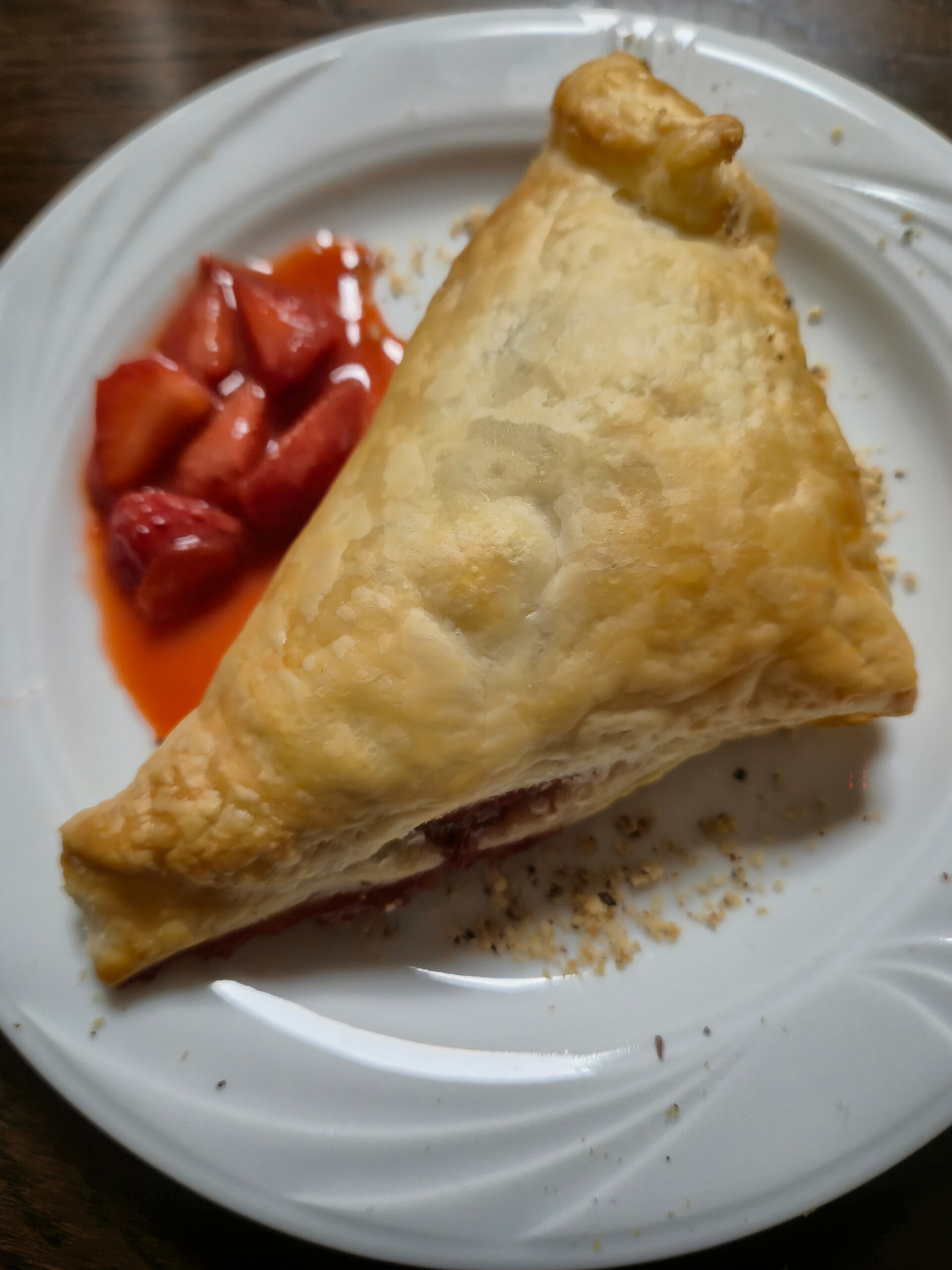
Puff pastry swirls with apple filling (vegan)


Ingredients for approx. 20 pieces :

80 g sultanas, or currants
2 tablespoons orange liqueur (optional), or apple juice
2 packs of puff pastry (egg-free)
4 apples
1 tablespoon vegetable margarine
Approximately 60 g whole cane sugar
Approximately 80 g ground and roasted nuts
1 tablespoon ground cinnamon
Additionnally :
Baking paper
2-3 tablespoons plant-based milk


Preparation :

1. Soak the sultanas or currants in the orange liqueur or apple juice.
2. Remove the puff pastry from the packet.
3. Preheat the oven to 180 degrees C.
4. Wash the apples, quarter them and remove the cores. Then dice the apple quarters into very small pieces.
5. Melt the plant-based margarine, add the whole cane sugar and brown. Then add the chopped apples and fry briefly.
6. Line a baking tray with baking paper.
7. Place one sheet of puff pastry on the baking paper. Sprinkle with the ground and roasted nuts. Then mix the apple filling with the soaked sultanas and currants and spread over the nuts. Dust the whole thing with cinnamon powder.
8. Cover with the second sheet of puff pastry and carefully roll up the whole thing lengthwise.
9. Cut the roll into finger-thick slices and place them back on the baking tray. Leave some space between the different rolls, as the puff pastry will spread a little.
10. Brush the rolls with plant milk and bake in the oven at 190 degrees for about 15 minutes.


My recommendations:

⇒ ⇒Other fruits are also suitable as a filling, e.g. strawberries, plums, pears, peaches, etc.

    Ÿ


Product description:

Sultanas come from the Sultana grapevine and are therefore larger than raisins. They also have a thin skin and no seeds. They are very light brown in colour and still come from Turkey or Greece today. Sultanas are softer than raisins and have an intense fruity flavour. They have a high sugar content due to glucose and fructose, but are low in fat and rich in fibre. They also contain valuable minerals, especially magnesium.


Pointed cabbage and seitan gnocchi with red lentils (vegan)


Ingredients for 4 people:

1 pointed cabbage
2 red onions
3 cloves of garlic
sesame oil
approx. 120 g red lentils
1 packet of gnocchi
approx. ½ l vegetable stock
250 g seitan
rapeseed oil
approx. 2 tablespoons tamari or shoyu
Herb salt
Freshly ground black pepper
Smoked paprika powder
¼ litre coconut milk
Cumin
Curry powder
Coriander powder
Cardamom powder
Ginger powder


Preparation:

1. For the gnocchi, clean and wash the pointed cabbage, quarter it and cut it into finger-thick pieces.
2. Peel the red onions, halve them and slice them.
3. Peel the garlic, remove the germ and chop it.
4. Heat the sesame oil in a wok pan. Fry the pointed cabbage with the red onions and garlic for a few minutes, stirring frequently.
5. Rinse the red lentils with cold water and add to the pan.
6. Remove the gnocchi from the packet and add to the wok pan. Mix everything together well.
7. Add the vegetable stock and simmer for about 10 minutes.
8. In the meantime, cut the seitan into strips and fry in rapeseed oil until crispy. Deglaze with tamari and season with herb salt, freshly ground black pepper and smoked paprika powder.
9. Pour the coconut milk and, if necessary, a little vegetable stock into the gnocchi. Mix in the fried seitan.
10. Season with herb salt, freshly ground black pepper, cumin, curry powder, coriander, cardamom and ginger powder and simmer for another 5 minutes.
11. Serve immediately.


My recommendations:

    • The red lentils can also be replaced with another type of lentil, e.g. mountain, beluga or puy lentils. However, these should be cooked until half done beforehand.
    • The pointed cabbage can also be replaced with another type of cabbage, e.g. savoy, Chinese or white cabbage.


Product description:

With its characteristic cone shape, pointed cabbage is easy to tell apart from other types of cabbage. Whether sautéed, baked in the oven or eaten raw, pointed cabbage is very versatile.It is the earliest type of cabbage to be harvested each year. Pointed cabbage tastes particularly mild in spring and summer, but has a stronger flavour in autumn. Like all other types of cabbage, pointed cabbage is a very healthy vegetable, particularly rich in vitamin C.