Category Archives: vegetarisch

Winter leek and carrot millet risotto (lacto-vegetarian)


Ingredients for 4 people:

200 g millet
2 leeks
200 g carrots
3 shallots
4 cloves of garlic
Just under 1 litre of water
1-2 tablespoons of granulated vegetable stock
Rapeseed oil
⅛ litre white wine
Herb salt
Freshly ground black pepper
Cumin
Thyme
50 g grated Parmesan cheese
⅛ litre cream
In addition:
Smoked paprika powder

Preparation

1. Place the millet in a sieve and rinse with cold water. Leave to drain.
2. Clean and wash the leeks and cut into fine rings.
3. Clean the carrots, scrub with a vegetable brush and cut into small cubes.
4. Peel the shallots and cut into small cubes.
5. Peel the garlic, remove the germ and cut into fine slices.
6. Bring the water to the boil and add the granulated vegetable stock.
7. Heat the rapeseed oil in a saucepan and fry the chopped shallots with the leek rings and carrot pieces.
8. Add the drained millet and garlic slices, mix well and gradually deglaze with the prepared vegetable stock. Repeat this process until the vegetable stock is used up or the millet is soft.
9. Then add the white wine, bring to the boil briefly and season with herb salt, freshly ground black pepper, cumin and thyme.
10. Mix in the grated Parmesan cheese and finally the cream.
11. Season to taste, if necessary, and serve immediately in deep plates, dusted with smoked paprika powder.


My advices:

    • You can also use millet to make risotto.
  • Always use seasonal vegetables. This means you can make a summer millet risotto with aubergines, courgettes, tomatoes, etc.
  • If children are eating with you, replace the white wine with extra vegetable stock.


Product description:

Millet is rich in vital nutrients, gluten-free and easily digestible, it belongs to the sweet grass family. Whether sweet, sour or savoury, millet goes well with almost everything and can be combined wonderfully with vegetables or fruit.


Green asparagus tagliatelle à la Josiane (lacto-vegetarian)


Ingredients for 4 persons :

1 packet of wholemeal tagliatelle
1 pinch of sea salt
2 x 500 g green asparagus
100 g pine nuts
2 shallots
2 cloves of garlic
Approximately ¼ litre of olive oil
Approximately 80 g Parmesan cheese
Herb salt
Freshly ground black pepper
1-2 tablespoons rapeseed oil
Smoked paprika powder
Piment d’espelette

Preparation :

1. For the pasta, bring the water to the boil in a tall saucepan with a little whole sea salt and cook the tagliatelle until al dente. Drain, reserving the pasta water.
2. In the meantime, wash the asparagus, trim if necessary, cut off the tips and cook briefly in the pasta water. Then drain on kitchen paper.
3. Toast the pine nuts in a pan without oil.
4. Peel the shallots and garlic. Remove the germ from the garlic.
5. For the pesto, purée the shallots with the garlic, the lower parts of the asparagus and half of the roasted pine nuts with a little olive oil. Gradually add the remaining olive oil. Mix in the grated Parmesan cheese and season with herb salt and freshly ground black pepper. Mix everything well again.
6. Heat the rapeseed oil in a large frying pan. Fry the asparagus tips, then remove and set aside.
7. Add the drained tagliatelle to the pan, stir in the prepared pesto, bring to the boil again and mix well.
8. Season with herb salt, freshly ground black pepper, smoked paprika powder and piment d’espelette.
9. To serve, place the pasta in deep plates, top with the asparagus tips and the remaining pine nuts.


My recommandations:

  • The green asparagus pesto is also delicious as a side dish or dip.
  • Instead of pine nuts, you can use other nuts or seeds as desired, e.g. walnuts, hazelnuts, almonds, pistachios, sunflower seeds, hemp seeds or chia seeds.
  • For a vegan pesto, omit the cheese and replace it with yeast flakes.


Product description:

The name ‘pesto’ comes from Italian and means ‘stomped’. Pesto is a cold sauce that is traditionally served with pasta. It can be prepared in many different ways, i.e. with numerous vegetables, leafy greens or wild herbs, according to your own taste. Homemade pesto made from fresh, high-quality ingredients is very healthy, especially if you use high-quality oil. Conventional pesto often contains cheaper types of oil.

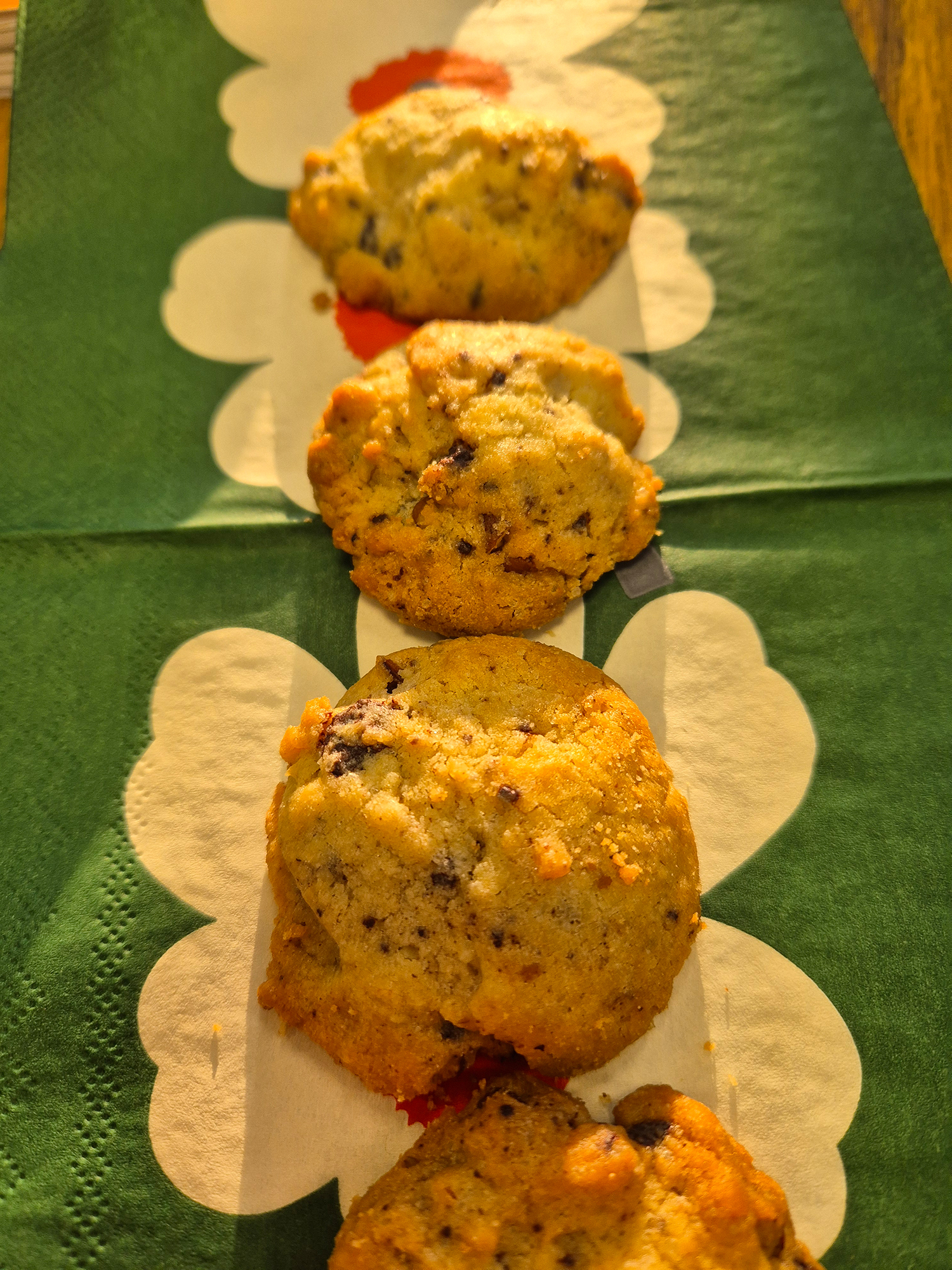
Shortcrust pastry muffins with chestnut filling (lacto-vegetarian)


Ingredients for about 20 pieces:

150 g spelt flour (80 %)
100 g hazelnuts
125 g butter
1 tablespoon low-fat quark
whole sea salt
freshly ground black pepper
For the filling:
2 shallots
3 cloves of garlic
1 small red chilli pepper
1 tablespoon rapeseed oil
200 g chestnuts (jarred or vacuum-packed)
1 heaped tablespoon cumin seeds
½ teaspoon thyme
herb salt
freshly ground black pepper
In addition:
a little butter to grease the tins


Preparation:

1. For the dough, sieve the spelt flour into a bowl. Grind the hazelnuts finely and mix with the spelt flour. Fold in the butter with the low-fat quark, the whole sea salt and the pepper. Add 2-3 tablespoons of cold water and knead with the dough hooks of a hand mixer to form a smooth dough. Cover and leave to rest in the refrigerator for about 30 minutes.
2. Then roll out on a floured work surface and cut out circles of the same diameter as the muffin cases.
3. For the filling, peel and finely dice the shallots and garlic.
4. Wash the chilli pepper, cut it open, remove the seeds and membranes and finely chop.
5. Fry the shallots in rapeseed oil over a low to medium heat until translucent. Add the garlic and chilli and fry briefly.
6. Chop the chestnuts and add them to the shallot mixture along with the cumin, thyme and 2 tablespoons of water. Cook, stirring, for 3-5 minutes.
7. Puree everything with a hand blender. Season with herb salt and freshly ground black pepper.
8. Place half of the shortcrust pastry in the muffin tins. Divide the chestnut filling between the muffins. Cover with the remaining shortcrust pastry circles. Cut a hole in the centre of the top piece and bake the muffins in the oven at 180 degrees for about 20 minutes.
9. Cool slightly. Serve lukewarm or cold.


My recommandation:

      • Instead of chestnuts, you can also prepare the filling with finely ground nuts or soft cooked lentils.


Product description:

Chestnuts are sweet chestnuts and are among the oldest cultivated plants. They are nuts that sit in a fruit casing covered with spines. Each casing contains up to three nuts. The yellowish-white flesh is located under the brownish-red, woody-leathery shell and is surrounded by a seed coat; both must be removed before consumption.